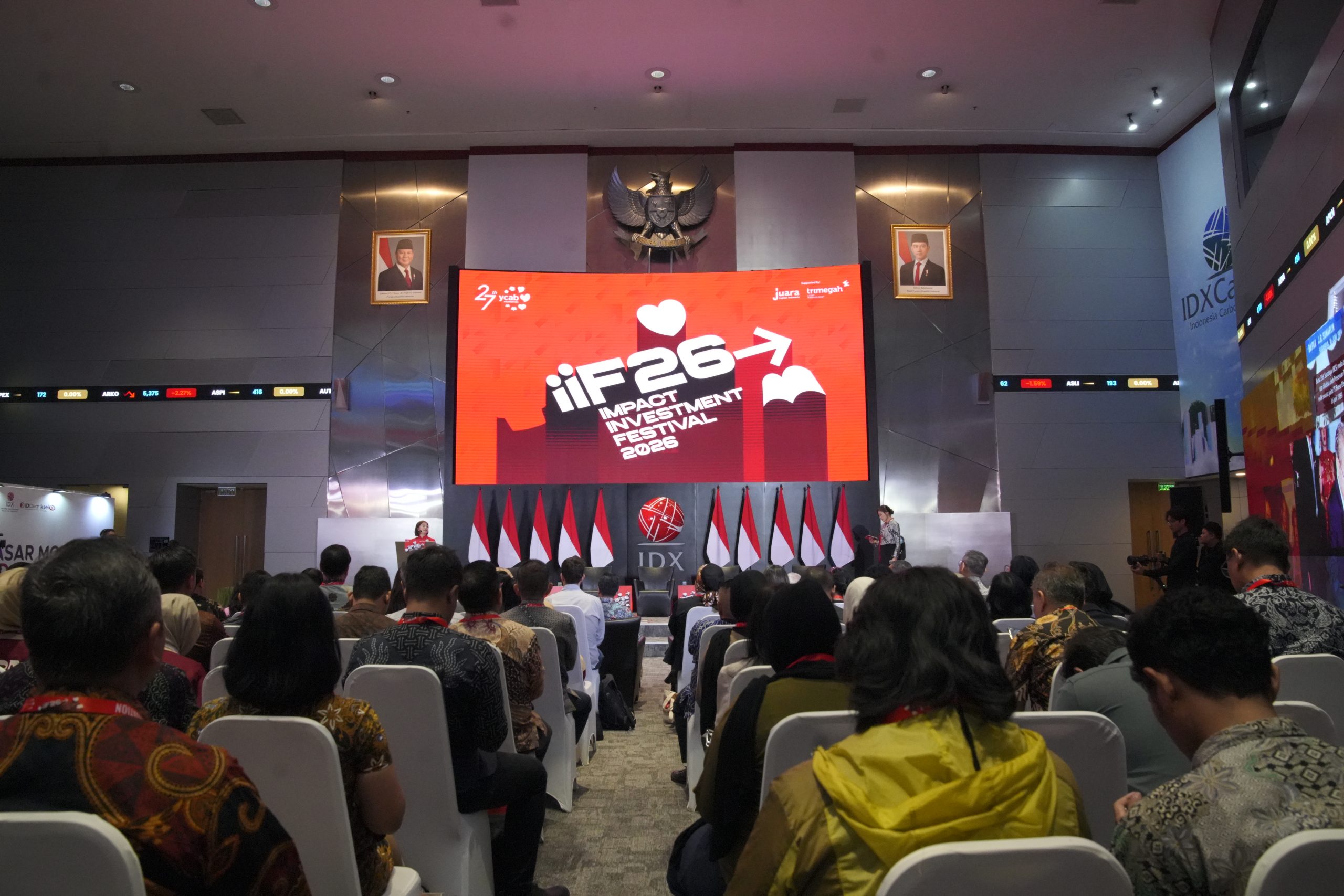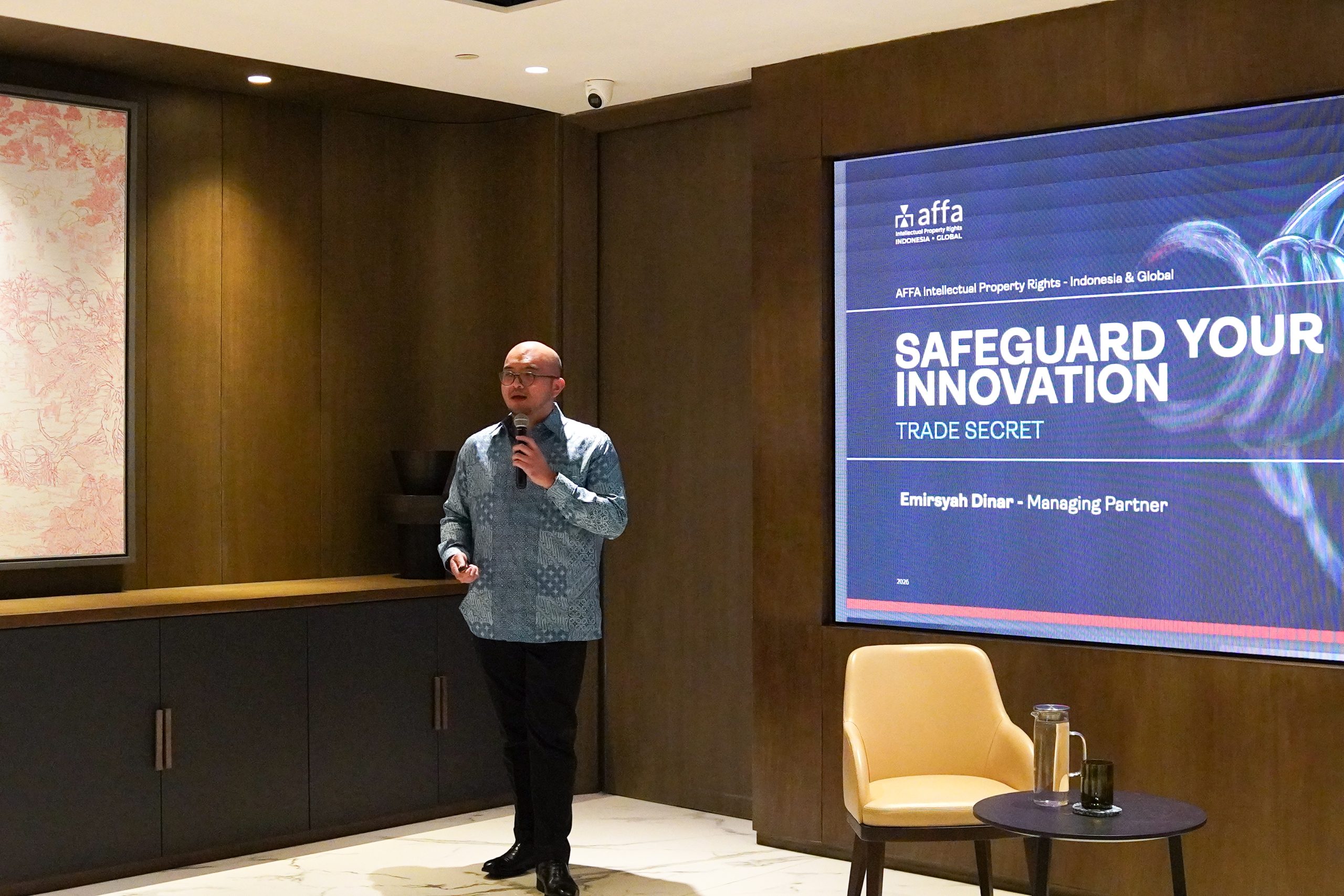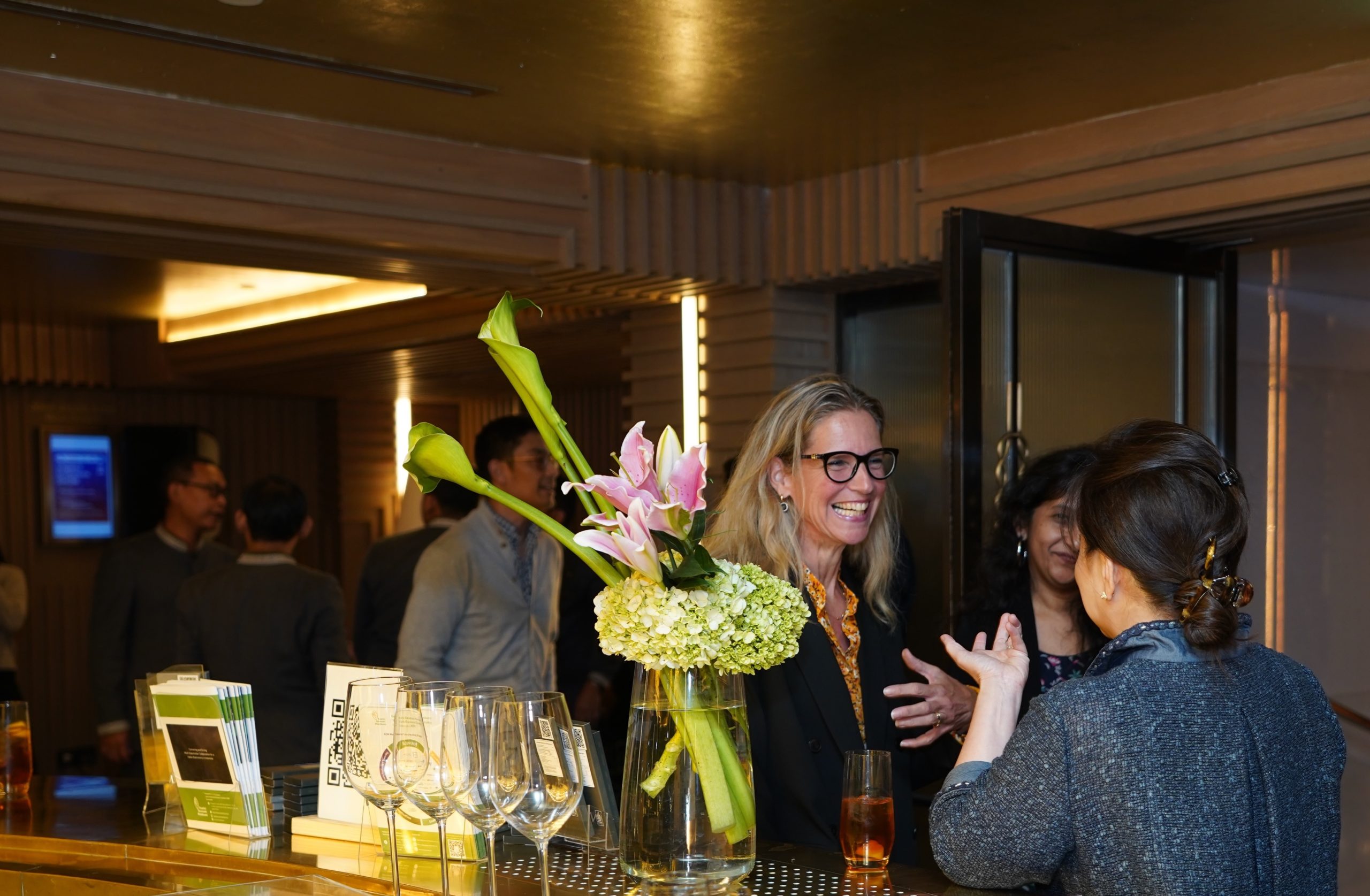
Early this month, our Chairperson, Ratna Kartadjoemena joined the IES Future Growth Champions roundtable as a panelist, contributing to a dynamic discussion on how Indonesia can unlock stronger pathways for sociopreneurship. The session was hosted by Indonesian Business Council as part of the Indonesia Economic Summit 2026.
One message came through clearly: strong products and powerful impact stories alone are not enough. Capital does not automatically follow; it must be intentionally designed, aligned, and mobilized.
Ratna emphasized how Indonesia continues to face a “missing middle” in financing between USD 100K–1M, where 55% of social enterprises operate, yet capital remains scarce.
Beyond ticket size, financing gaps are shaped by several interconnected dimensions: how capital is structured (equity, debt, grants, or blended instruments), the speed at which it is deployed, the type of capital available (commercial, philanthropic, or catalytic), the sources of funding (from corporates and family offices to CSR and mission-aligned investors), and varying appetites for impact across themes such as climate, gender, and livelihoods.
Together, these lenses point to the urgency of intentional capital mapping, ensuring enterprises do not stall or fall through the cracks simply because one dimension lags behind another.
At Paloma Sjahrir Foundation, we believe progress must happen in parallel: strengthening enterprise pipelines while advancing the ecosystem around them, aligning capital, incentives, and institutions so impact can continue to grow.